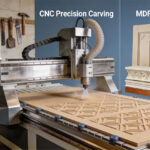
Different cutting tools used with CNC routers significantly enhance woodworking by enabling a wide variety of cutting, shaping, and finishing operations, each tool optimized for specific tasks and material characteristics. Here’s how various cutting tools enhance woodworking with CNC routers:
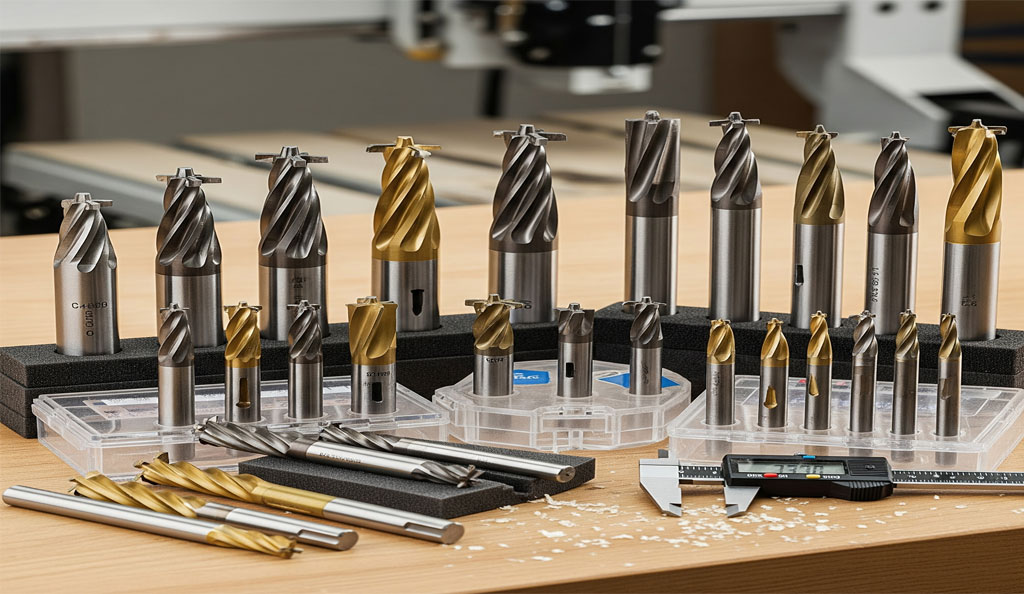
- Router Bits (Straight, Spiral, and Compression Bits): These are the primary cutting tools for CNC woodworking routers. Straight bits make clean, straight cuts for grooving and slotting. Spiral bits efficiently remove chips, reduce heat, and produce smooth finishes. Compression bits are ideal for laminate and veneered boards because they prevent chipping on both the top and bottom surfaces, producing clean edges.
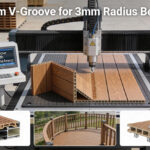
- V-Bits and Engraving Bits: These bits are used for detailed engraving and carving of intricate designs, text, logos, or decorative patterns on wood surfaces, allowing for high precision and fine artistry in woodworking projects.
- Ball Nose Bits: These rounded bits enable 3D contouring and carving on wood, perfect for sculpting shapes, creating relief carvings, and forms that require smooth curved surfaces.
- Chamfer Bits: Chamfer bits cut angled edges or bevels, enhancing edge finishing, joint preparation, and visual aesthetics of furniture parts and cabinetry.
- Spoilboard Surfacing Bits: Used to plane and level the spoilboard (the sacrificial surface beneath the material being cut), these bits help maintain flatness and ensure precision for subsequent cuts.
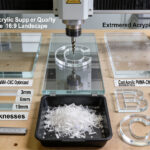
- Drill Bits: Integrated drill bits on CNC routers allow precise hole drilling for joinery, hardware installation, and assembly without changing machines or setups.
- Specialty Bits (Rabbeting, Dovetail, Cove): These bits facilitate complex joinery and decorative woodworking, such as making rabbet joints, dovetail joints, and cove profiles, which are essential for strong, attractive furniture and cabinetry connections.
- Diameter and Flute Variation: Bits come in various diameters and flute designs, which impact cut speed, finish quality, and the ability to handle different wood types (softwood, hardwood, MDF). Larger diameter bits remove more material faster, while smaller bits provide detailed cuts.
Selecting the appropriate cutting tool for each operation maximizes efficiency, quality, and safety. The ability of CNC routers to automatically change and execute tool paths with different bits expands the range of woodworking techniques and designs achievable with precision and repeatability.
In essence, diverse cutting tools empower CNC woodworking routers to perform everything from rough cutting to fine finishing and intricate decorative work, boosting productivity and creative possibilities in modern woodworking.